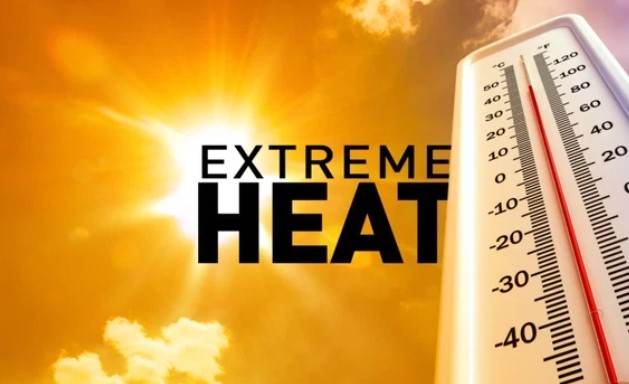
The Los Angeles County Department of Public Health has announced the Extreme Heat Watch issued on Monday, Aug. 18 by the National Weather Service has been upgraded to an Extreme Heat Warning in the Santa Clarita Valley and other areas of Los Angeles County.
Public Health urges residents to take precautions to avoid heat-related illness, such as heat exhaustion, heat stroke and heat cramps.
The National Weather Service has issued the updated Extreme Heat Warning and Heat Advisory as high temperatures have been forecasted for the following areas:
Extreme Heat Warning
Thursday, Aug. 21 through Friday, Aug. 22
Los Angeles Inland Coast
East Santa Monica Mountains
Thursday, Aug. 21 through Saturday, Aug. 23.
Santa Clarita Valley
Western Santa Monica Mountains
Calabasas/Agoura Hills
Western San Fernando Valley
Eastern San Fernando Valley
Santa Susana Mountains
Western San Gabriel Mountains/Hwy 14 Corridor
Antelope Valley
San Gabriel Valley
East San Gabriel Mountains
Western Antelope Valley
Eastern Antelope Valley
Northwest LA County Mountains
Heat Advisory
Palos Verdes Hills: Friday, August 22
Public Health recommends the following tips to keep yourself and others safe during excessive heat:
Drink plenty of water and keep hydrated throughout the day.
If you must go out, plan your day to avoid going out during the hottest hours, and wear sunscreen (SPF 15).
Wear lightweight, light-colored clothes, and wear a hat or use an umbrella.
Cars get very hot inside, even if the windows are ‘cracked’ or open. Never leave children or pets alone in cars. Call 911 if you see a child or pet in a car alone.
Check on those at risk for heat-related illness, like those who are sick or have chronic conditions, older adults, pregnant women, children, those who live alone, pets, and outdoor workers and athletes.
If you don’t have air conditioning, follow these tips:
Stay hydrated and don’t wait until you’re thirsty to drink water.
Take cool showers or baths.
Use your stove and oven less to avoid making your home hotter.
Visit a library, cooling center, shopping mall, or other air-conditioned space. If you need help finding a cool space, call 211.
Heat-Related Illness
It’s important to know how to recognize and help someone who is experiencing a heat-related illness. Call 911 right away if you see these symptoms: high body temperature (103°F or higher), dizziness, nausea, passing out, headache, fast &strong pulse, confusion, and hot, red, dry, or damp skin.
Watch out for each other. Everyone should take precautions to prevent heat-related illness, but there are groups more vulnerable to heat. Check on those who are sick or have chronic conditions, older adults, pregnant people, children, those who live alone, pets, and outdoor workers and athletes.
“Heat causes more deaths in the U.S. annually than floods, storms, and lightning combined. Those most likely to get ill during the heat include older adults, young children, outdoor workers, athletes, and individuals with chronic medical conditions,” said Muntu Davis, MD, MPH, Los Angeles County Health Officer. “Remember, your safety and the safety of others is crucial during extreme heat conditions. If you or someone around you experiences symptoms of heat stroke or heat exhaustion, such as dizziness, nausea, rapid heartbeat, confusion, or passing out, seek medical help immediately.”
Local Impact
To check the risk of heat-related impacts for your specific city, visit the NWS HeatRisk website and click on Location Search and enter your city or use the zoom (+) button in the top left corner to see nearby cities more clearly.
For actions to take based on your city’s HeatRisk category, read the NWS’ Understand HeatRisk guide.
The NWS HeatRisk takes into consideration:
How unusual the heat is for the time of the year.
The duration of the heat including both daytime and nighttime temperatures.
If those temperatures pose an elevated risk of heat-related impacts based on data from the Center for Disease Control (CDC).
County and city partners have planned ways to safely operate cooling centers during times of high heat. Residents who do not have access to air conditioning are encouraged to take advantage of these free cooling centers, splash pads, and community pools.
To find a location near you, visit https://ready.lacounty.gov/heat/ or call 211.
Los Angeles County residents and business owners, including people with disabilities and others with access and functional needs can call 211 for emergency preparedness information and other referral services. The toll-free 211 number is available 24 hours a day, seven days a week. 211 LA County services can also be accessed by visiting 211la.org.
You can find the most up-to-date information by visiting the extreme heat website, signing up for heat advisories and following LAPH on all social media platforms where you can find and share tips and advisories on heat. The LAPH social media handle is @lapublichealth on all platforms.
Like this:
Like Loading...
Related



 Tweet This
 Facebook
 Digg This
 Bookmark
 Stumble
 RSS
RSS























REAL NAMES ONLY: All posters must use their real individual or business name. This applies equally to Twitter account holders who use a nickname.
0 Comments
You can be the first one to leave a comment.