The Los Angeles County Department of Animal Care and Control has adopted the term “Socially Conscious Animal Sheltering,” or SCAS, to describe its animal care philosophies and procedures.
The announcement follows the Board of Supervisors’ approval Tuesday of a directive proposed by Fifth District Supervisor Kathryn Barger to the DACC to report back in 90 days with updates on its adoption of socially conscious animal sheltering operating practices
SCAS is a new term being used by forward-thinking animal welfare organizations in a response to the misleading terminology and negative consequences of “no-kill” philosophies and practices.
The term “no-kill” is poorly defined and misunderstood by many members of the public. The term itself implies that a 100% live release rate of animals is achieved, but that is not accurate.
“No-Kill” proponents proclaim that a 90% LRR means an animal shelter can be labeled “no-kill”, but there is no data to support this as a justifiable measurement. It is simply a number chosen by “no-kill” proponents without any basis in meaningful and objective longitudinal studies of animal shelter statistics.
While one national organization recently released a “dashboard” of statistics for animal shelters throughout the country, it is fraught with errors and cannot be relied upon. People investigating this topic must be educated readers who closely analyze the information provided.
The “no-kill” movement’s use of the LRR for animals as a measure of success fails to consider various key factors. These include, but are not limited to:
* The adoptability of incoming animals such as aggressive dogs, feral cats, and irremediably suffering or terminally ill animals;
* The resources of the animal sheltering agency to provide intervention and rehabilitation services;
* The household income and population transiency of pet owners in the community, including the increasing numbers of pet owners experiencing homelessness;
* Pets that are at the ends of their lives and whose owners surrender them for humane euthanasia because the owners cannot afford to seek this service at a veterinary hospital;
* Low-cost resources available to assist pet owners.
Blaming or shaming animal welfare agencies for circumstances beyond their control is unreasonable and has caused great disharmony in the animal welfare field. However, using the “no-kill” label have been an unbelievable fundraising success for both national and local organizations.
Adopting “no-kill” has also been used as the easier response by both local government agencies and private organizations to community activists, rather than doing the difficult work of delving through the multifaceted issues surrounding the care for unwanted animals.
Like any social cause, animal sheltering is a complex issue that cannot be explained away with a polemic slogan.
Many “no-kill” practices have created a number of negative consequences in order to meet the artificially established 90% live release rate of animals established by its proponents.
These include:
* Refusing admissions to animals they cannot subsequently offer for adoption, thereby denying these animals a safe haven from abandonment or neglect. This practice results in animal abandonment and suffering, and threats to public and animal safety because dangerous animals are not removed from the community;
* Delaying admission through waiting lists for space availability or reduction of hours of operation, intentionally making it difficult for the community to bring in stray or owned animals, resulting in animal abandonment;
* Refusing to accept cats that are unwanted in the community, or re-abandoning the cats to fend for themselves. While trap-neuter-return programs can be successful in the context of saving cats’ lives, they require intensive management to maintain humane conditions for the cats. Simply abandoning cats without thorough and consistent support is inhumane and possibly illegal. There are also significant negative consequences for native wildlife that are preyed upon by outdoor cats. We should care about ALL animals in our communities, including wildlife, and not dismiss their well-being to serve a statistic.
* Refusal to euthanize animals in the shelters, creating severe overcrowding, behavioral trauma, disease outbreaks, animal attacks, and complaints of animal abuse and neglect. A number of “no-kill” shelters have been cited by local authorities for failing to provide humane environments for their animals. Some have been taken over by national organizations to resolve serious disease and neglect situations.
* Releasing dangerous dogs for adoption into the community in order to meet the statistical live release goals, seriously jeopardizing public and animal safety. It is a sad reality that some dogs, through genetics or other factors, simply cannot safely coexist in our society. Many of their victims are other animals. Don’t we care about protecting these potential victims from horrible and violent deaths caused by dangerous dogs?
* Increased budgetary needs of more than five times the original budget in order to pay for staff and programs to strive for a no-kill status. In a time where government budgets are stretched thin and nonprofit donations are dropping, finding the gargantuan resources to respond to this demand is not sustainable.
Many animal welfare organizations, including People for the Ethical Treatment of Animals, or PETA, have expressed deep concern over the negative results of “no-kill” practices. The Colorado Veterinary Medical Association has taken a strong opposition to “no-kill” because of the harm its practices have caused.
For these reasons and others, the Department of Animal Care and Control has instead adopted the SCAS term for expressing its operating principles. SCAS strives to create the best outcome for all animals by treating them respectfully and alleviating their suffering. The mission is to maximize live outcomes for animals, while also balancing animal well-being and public safety.
Fundamental goals of SCAS are provided through DACC and its seven animal care centers to:
* Ensure every unwanted or homeless pet has a safe place to go for shelter and care. DACC care centers will not turn away animals in need of protection and care.
* Making every healthy and safe animal available for adoption. DACC will not offer for adoption animals that are irremediably suffering or dangerous to the community. Shelters that do so create a public aversion to homeless pet adoption, making it more difficult to achieve our missions.
* Assess the medical and behavioral needs of homeless animals and ensure these needs are thoughtfully addressed. DACC, through its medical team and its animal behavior and enrichment team, provides a holistic approach to ensuring each animal’s needs are properly addressed.
* Align DACC policy with the needs of the community. DACC recognizes its responsibility to the public trust, and ensures its programs and policies reflect and support this obligation.
* Alleviate suffering and make appropriate euthanasia decisions. DACC often accepts animals that are irremediably suffering and cannot live without experiencing severe, unremitting pain or other serious health challenges. In these situations, it is most humane to relieve an animal’s suffering with compassionate euthanasia.
* Consider the health and wellness of animals for each community when transferring animals. DACC participates in many animal transport programs where animals are taken from DACC’s care centers to areas of the country that are experiencing a shortage of shelter animals. These win-win programs save thousands of animal lives each year. However, it is also important that animals transported through these programs do not suffer from physical or behavioral defects that could endanger animals or people in their new communities. DACC transferred 7,763 animals last fiscal year to low-intake animal shelters.
* Enhance the human-animal bond through thoughtful placements and post-adoption support. DACC works with potential adopters to ensure animals they select are suitable matches for their lifestyles, the adopter is able to properly care for and handle the animal, and other factors to make certain the placement is successful. DACC provides post-adoption support to adopters to ensure the placement thrives.
* Foster a culture of transparency, ethical decision-making, mutual respect, continual learning, and collaboration. DACC remains committed to upholding the highest ethical standards in meeting its mission of protecting people and animals.
DACC’s live release for dogs is 88%, and cat live release has increased from 26.5% to 50.5% in the past five years. Through collaboration with strategic partners, especially the American Society for the Prevention of Cruelty to Animals (ASPCA), DACC has been able to greatly improve outcomes for animals in its care.
Solely relying on the LRR as a measure of success ignores many other factors. For example:
* As animal ownership improves in a community, fewer adoptable animals will be surrendered to the animal shelter because they are all spayed or neutered and in permanent homes. The only animals entering a shelter will be those that are truly unadoptable (vicious, untreatable, etc.). In this scenario, the LRR will drop to nearly zero because the only animals that arrive will in fact require humane euthanasia. For this reason alone, using the LRR is chasing a false target that will actually drop as the community solves its unwanted animal problem.
* When we drive our cars, there are many measurements that are important to ensure a safe journey. Simply checking the fuel gauge ignores the oil level, tire pressure, and other important indicators. Relying solely on the LRR ignores the health of the animal population in the shelters, the average length of stay for animals in the shelters, number of bites and attacks in the community, and number of animals that died on the street. All of these, and more, are important to evaluating a community’s approach to solving its animal welfare issues.
The term “no-kill” initially served a good purpose several decades ago to bring to light the crises of animal euthanasia in our nation’s animal shelters. However, animal sheltering has evolved tremendously since that time, and the phrase “no-kill” cannot be used to describe or measure modern day animal welfare best practices.
DACC is committed to continuing our efforts through Socially Conscious Animal Sheltering to save animals’ lives and protect our communities.
For more information about Socially Conscious Animal Sheltering, see: Colorado Veterinary Medical Association.
For more information about no-kill concerns, see: PETA.
For an insightful commentary by spcaLA president Madeline Bernstein on this topic, see: spcaLA.
Like this:
Like Loading...
Related


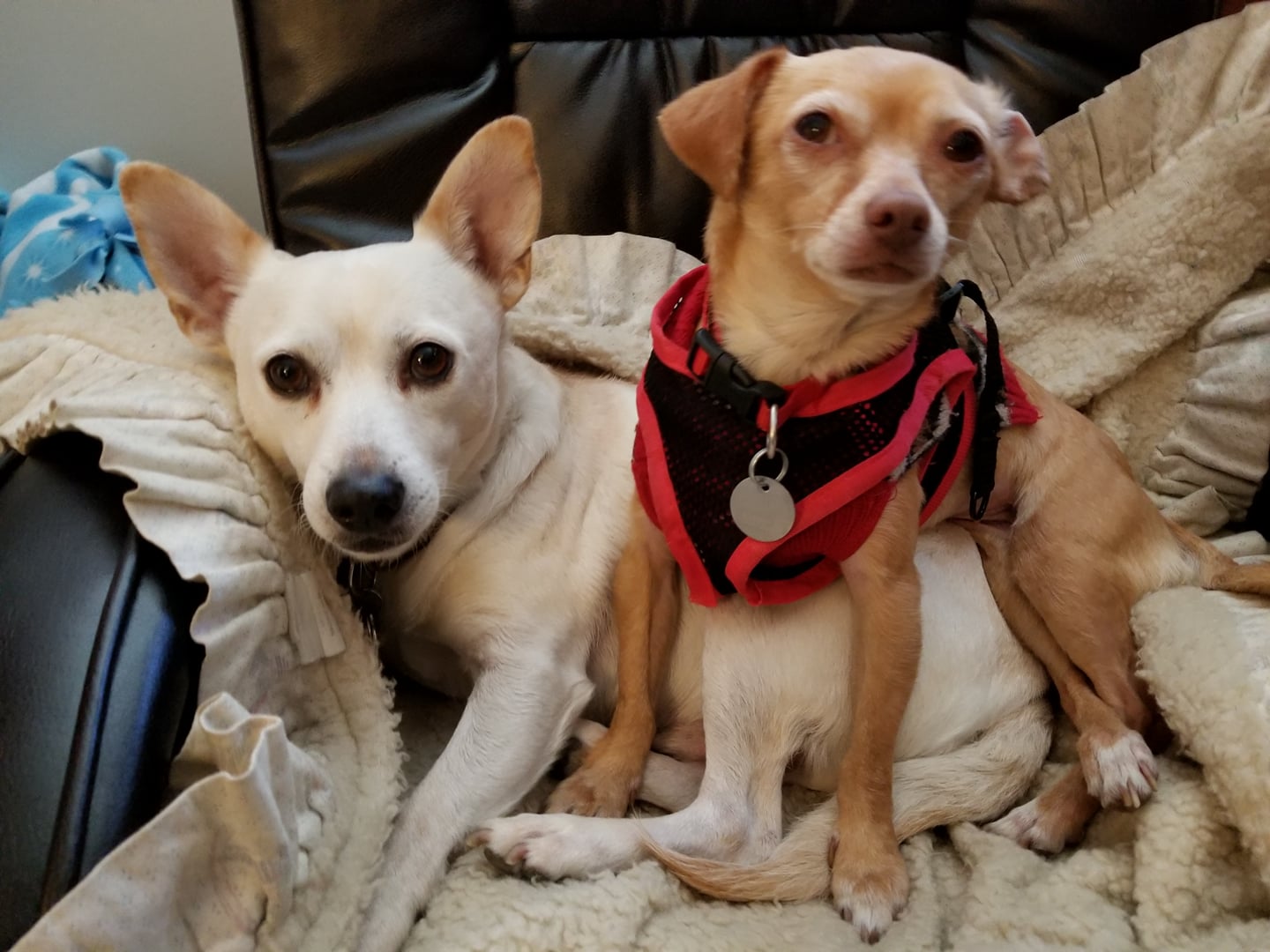 Former shelter pets Lennon and Freeda were rescued and adopted from the Baldwin Hills and Castaic shelters, respectively, and are loving life in Santa Clarita.


 Tweet This
 Facebook
 Digg This
 Bookmark
 Stumble
 RSS
RSS




REAL NAMES ONLY: All posters must use their real individual or business name. This applies equally to Twitter account holders who use a nickname.
6 Comments
This is a step in the right direction. It’s vital that every community has a safe haven for animals–one that accepts every animal in need, without restrictions, and has responsible adoption policies, including careful screening to ensure that animals end up in good hands.
Shelters don’t have a magic wand that they can wave to create loving homes for all the animals who so desperately need them. No one wants to euthanize animals–least of all, the caring souls who must perform this heartbreaking task. Instead of demonizing them, we should all work to end animal homelessness–and the resulting need for euthanasia–by spaying and neutering our own animals and helping others in the community sterilize their animals as well.
The “organization” that you demean in the article is Best Friends Animal Society. They have done more for animals than this organization will ever hope to accomplish.
It’s sad that you have to tear them down to try and make your point.
Thank you, thank you for such an honest article. Thank you for expressing so well what so many open admission shelters go through. Simply turning an animal away at the door of a “no-kill” does not relieve the shelter of the responsibility of the outcome for that animal. Out of sight out of mind does not make the problem go away for that animal in need. No-kills have helped build the wall between them and open admission shelters by the terminology used to describe their operations. If they want to be honest, the correct description is limited admission and open admission shelters. We have several nice limited admission shelters in our area that refer to their agency as limited admission and we have relationships with those agencies. For sure the term “no-Kill” is a great fundraising tool. But they are not telling the whole story. We are a large open admission shelter and hear everyday the public telling us they have already been turned away by local no-kill shelters and rescues. It is about the animals…not what makes us feel good and the facts are that not all animals are adoptable and that there are still too many animals and not enough homes. SCAS….yes, better together and we can only change the future if we are truthful about the problem.
This is a great article that makes a lot of great points. But was animal euthanasia in the shelters ever a “crisis”? In order for the lives of animals to be valued, an oversupply of those animals must be prevented. Another thing that would happen if Animal Welfare efforts succeed would be for there to be more homes than there would be animals. Some who seek an animal to adopt would not be able to find one, or they would need to pay more money to obtain one. And that would be fine. The way the no-kill movement pushes unwanted animals at everyone and tries to remarket them always has the wrong result: a bunch of low-maintenance pets running around everywhere and late for their booster shots.
This is a great article that makes a lot of great points. But was animal euthanasia in the shelters ever a “crisis”? In order for the lives of animals to be valued, an oversupply of those animals must be prevented. Another thing that would happen if Animal Welfare efforts succeed would be for there to be more homes than there would be animals. Some who seek an animal to adopt would not be able to find one, or they would need to pay more money to obtain one. And that would be fine. The way the no-kill movement pushes unwanted animals at everyone and tries to remarket them always has the wrong result: a bunch of low-maintenance pets running around everywhere and late for their booster shots